
Meet Tianyi: Building Community Care Across 12 Time Zones
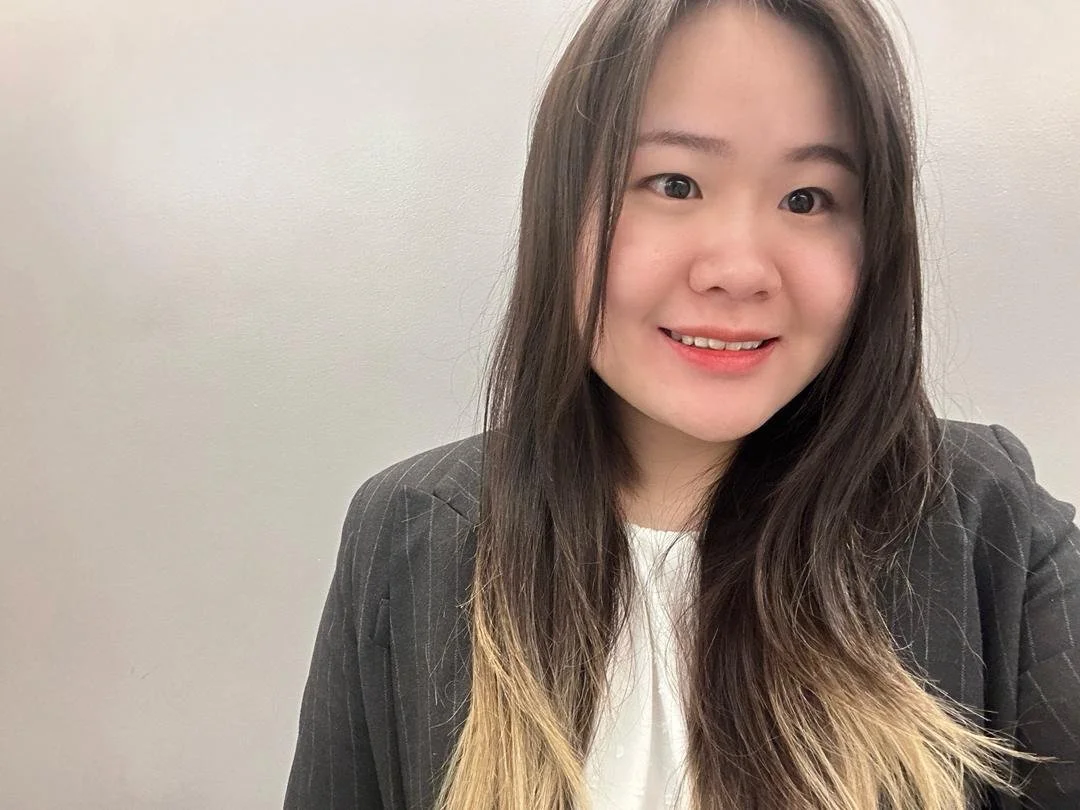
When we talk about community care, we usually picture people on the ground—caregivers, coordinators, caseworkers meeting families face-to-face.
We rarely picture someone in another country, 12 hours ahead, quietly holding the system together from behind a laptop.
Tianyi is that person.
Based in China, Tianyi serves as a virtual administrative and community support member for Accesso Care, and her work reaches far beyond “admin.”
“I wanted my work to matter to real people.”
Before joining Accesso Care, Tianyi already had a clear sense of what this kind of work could be: supporting people from diverse backgrounds, connecting them with resources, and strengthening community well-being.
“I knew from the beginning it wouldn’t just be paperwork,” she says. “I wanted what I do to actually support real people’s lives, not just exist in documents.”
Choosing to work remotely for a U.S.-based company wasn’t accidental. It was a values-based decision: if her time and skills could help someone feel safer, more informed, or less alone, that was the direction she wanted to move in—no matter the distance.
An inclusive, relaxed, and trusting team culture
When Tianyi describes the Accesso Care team, she comes back to three words: inclusive, relaxed, and friendly.
Even working fully remotely and in a second language, she feels seen and trusted.
She isn’t just “copied on emails”—she is part of the decisions, coordination, and daily problem-solving that keep programs running. That sense of trust is what gives her the confidence and space to take on responsibilities that directly affect frontline impact.
Moments that stay with her
Among many tasks, two types of work stand out as especially meaningful for Tianyi.
1. Coordinating a key training across time zones
One highlight was coordinating an important required training session for frontline staff—entirely remotely, across a significant time difference. There were many moving parts, but the outcome mattered: the training helped strengthen safety, protection, and quality of care.
“When it was completed successfully, I felt relieved,” Tianyi recalls. “It wasn’t just an event. It was part of the foundation that keeps workers and families safer.”
2. Turning information into access
Tianyi also helps manage communication channels and share free local resources, including support groups, legal clinics, workshops, and mental health or caregiver support.
“For many caregivers, they don’t have the time or energy to search everywhere,” she says. “If I can help put useful resources in one accessible place, it makes support feel a little closer and more real.”
To her, this isn’t just “posting content”—it’s reducing isolation, one piece of timely information at a time.
Working in a women-dominated field—by choice, not by default
Care and social support roles are often filled by women. When asked whether gender shaped her decision to enter this field, Tianyi is clear:
“For me personally, I didn’t choose this work because I’m a woman. I chose it because I believe in its meaning.”
At the same time, she is aware that emotional and caregiving labor is often expected of women, both professionally and at home. She hopes the field continues to welcome people of all genders and backgrounds, so caregiving is recognized as skilled, respected work—not an assumption placed on one group.
It’s a thoughtful balance: Tianyi understands the structural reality, but stays grounded in her own intentional choice.
Why Tianyi’s story matters
When we picture impact, we still tend to see the people in the room—the faces at the front desk, the hands on the wheel, the staff on-site. Tianyi rarely appears in that frame. She isn’t on campaign posters and she isn’t in front of the camera. She is the person making sure that room exists, that it’s safe to enter, and that everyone inside is connected to something larger than themselves.
Her work raises a quiet but urgent question: can someone on the other side of the world become part of a local community’s safety net? Tianyi proves the answer is yes. From twelve hours ahead, she holds threads that keep stories, schedules, and support systems from falling apart.
